Science
Biology Is the
Technology
And we're just getting started.
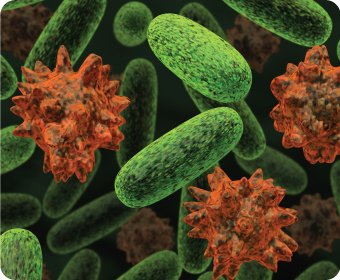
Microbiomes are communities of bacteria, fungi, archaea, yeasts, algae, and other microorganisms living in soil, water, plants, animals, and industrial systems.
Biological crop protection uses microorganisms, fungi, enzymes, and natural metabolites to support integrated pest and disease management.
Scientific discovery must be translated into reliable production.
From Discovery
to Application
- Scientific discovery
- Biological characterization
- Formulation development
- Laboratory testing
- Pilot evaluation
- Field validation
- Manufacturing scale-up
- Regulatory development
- Commercial application
Biological products must be developed responsibly.
MicrobeBio® quality programs may include:
- Verified microbial identity
- Purity testing
- Potency testing
- Pathogenicity and toxin review
- Antimicrobial-resistance assessment
- Heavy-metal screening
- Stability studies
- Environmental-safety evaluation
- Batch traceability
- Manufacturing controls
MicrobeBio® organizes its scientific work through twelve connected platforms:
- Agricultural Biotechnology™
- Controlled Environment Agriculture™
- Precision Nano Nutrition™
- Living Rhizosphere Technology™
- Biological Crop Protection™
- Aquaculture Biotechnology™
- Animal Health & Probiotics™
- Environmental Biotechnology™
- Oil Remediation Biotechnology™
- Mushroom Biotechnology™
- Industrial Biotechnology™
- Mining Bioleaching & Resource Recovery™
Together, these platforms form one integrated scientific ecosystem connecting agriculture, food, water, industry, environmental restoration, and resource recovery.
Our Scientific
Vision
- Grow food more efficiently
- Restore soils and water
- Protect crops
- Improve animal and aquatic health
- Manufacture renewable materials
- Transform waste
- Recover nutrients and minerals
- Remediate contamination
- Build more circular industries
Biology Rising™
Nature already developed the world’s most advanced technology.
Our responsibility is to study it carefully, apply it responsibly, and use it to build more productive and sustainable systems.